
By Grazia Rabasa
I have visited many of the world’s advertising capitals, and Switzerland feels almost disorienting at first. Not because of what is present, but because of what is missing.
Giant billboards, oversized LED screens, and aggressive visual advertising are surprisingly rare here.
Compared to cities like New York, Tokyo, London, or even many Latin American capitals, Switzerland feels visually quieter. At first, I thought this was simply an aesthetic choice. But the more I observed Swiss cities, the more I realized it reflects something much deeper about Swiss culture itself.
Switzerland has some of the strictest outdoor advertising regulations in Europe. Many municipalities carefully control signage in order to preserve architectural harmony, natural landscapes, and the visual identity of public spaces. Large roadside billboards are heavily restricted, and advertising on highways is generally prohibited for safety reasons.
And perhaps this says something fascinating about how Switzerland understands public space.
In many countries, cities are highly commercialized environments where brands constantly compete for attention. Switzerland, however, tends to prioritize visual balance, urban order, and environmental preservation over commercial intensity.
This does not mean Switzerland lacks advertising. Quite the opposite.
Swiss advertising is simply concentrated differently.
Walking Through Bahnhofstrasse, Zürich
I walked through Bahnhofstrasse, one of the world’s most expensive shopping streets, to observe how Swiss luxury brands communicate without relying on giant billboards or visual overload.
Instead of giant roadside billboards, brands focus heavily on:
- train stations
- trams
- public transport systems
- City Light Posters (CLPs)
- luxury shopping streets
- pedestrian zones


And from a marketing perspective, this is actually incredibly intelligent.
Train stations in Switzerland are not just transport spaces — they are cultural spaces. Places like Zürich HB, Genève, Basel SBB, and Bern stations function almost like miniature cities. Millions of commuters, tourists, students, and professionals move through them every week.
Unlike highway billboards glanced at for a few seconds, transport advertising captures people during calmer moments: waiting for trains, drinking coffee, commuting quietly, or walking through curated retail environments. This creates what marketers would call high-quality attention.
And perhaps this is why Swiss advertising feels emotionally different.
Swiss public infrastructure itself is associated with precision, punctuality, cleanliness, and trust, values many Swiss brands also want to inherit psychologically. A luxury watch advertisement inside Zürich HB feels very different than the same campaign placed on a chaotic highway screen somewhere else. The environment shapes the perception of the brand.
This is especially important for luxury marketing in Switzerland, where branding often feels quieter and more restrained than in other countries. Swiss brands rarely rely on excessive visual overload. Instead, they communicate through subtlety, consistency, aesthetics, and strategic placement.
At the same time, anti-billboard and anti-advertising movements have become increasingly influential across Switzerland. Activist groups argue that excessive outdoor advertising contributes to visual pollution, overconsumption, and mental overstimulation. Some municipalities have even experimented with restricting commercial advertising in public spaces entirely.
Ironically, Switzerland’s restrained approach to advertising suddenly feels very modern.
We live in a world dominated by algorithms, digital noise, notifications, and constant overstimulation. Consumers are increasingly exhausted by environments constantly competing for their attention. And perhaps this is why Swiss cities feel so different emotionally: public space still feels relatively breathable.
Maybe the future of advertising is not about becoming louder.
Maybe it is about becoming more intentional.
THE HOTTEST ADVERTISING SPOTS IN SWITZERLAND
Zürich Hauptbahnhof (Zürich HB)
The country’s busiest station and one of Switzerland’s most valuable advertising ecosystems for luxury, finance, telecom, and lifestyle brands.
Bahnhofstrasse, Zürich
One of the world’s most prestigious luxury shopping streets, where brands advertise less for mass visibility and more for symbolic positioning.
Geneva Airport
A major hub for luxury tourism, finance professionals, and international travelers.
Public Transport Networks
Swiss trains and trams provide repeated, high-frequency exposure because public transport is deeply integrated into everyday life.
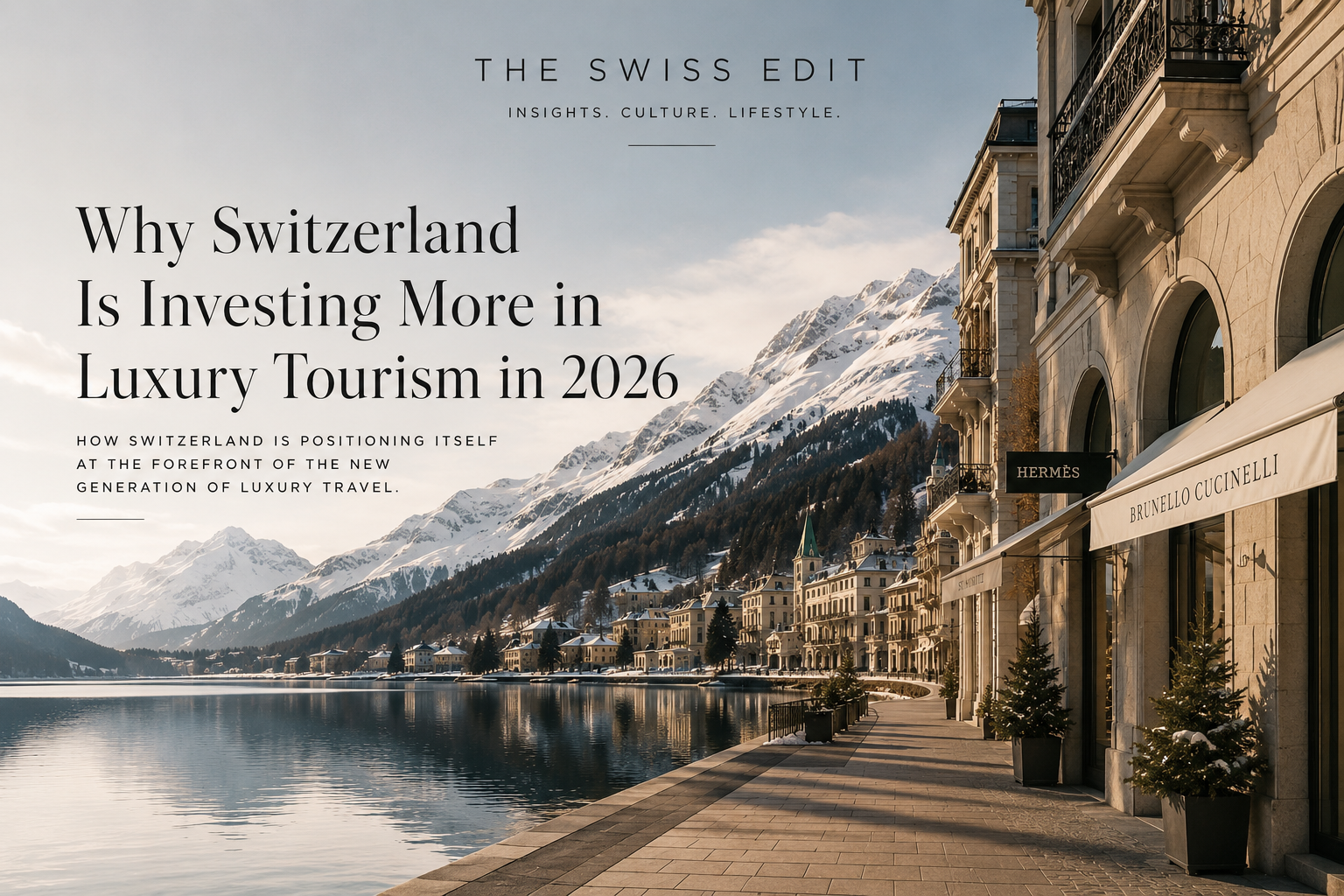
St. Moritz During Winter Season
One of the most exclusive luxury environments in Switzerland, attracting high-net-worth international visitors during ski season.
Further Reading
If you want to explore more about Swiss advertising regulations and anti-billboard movements:
- One Day Agency — Swiss Outdoor Advertising Analysis
- Bloomberg — The Fight Against Outdoor Advertising
- Adfree Cities — Anti-Advertising Movements in Europe
- Federal Roads Office (ASTRA) — Swiss road advertising regulations




Leave a Reply